The Fielding Dilemma: A Reflection on England's Performance in the Oval Test
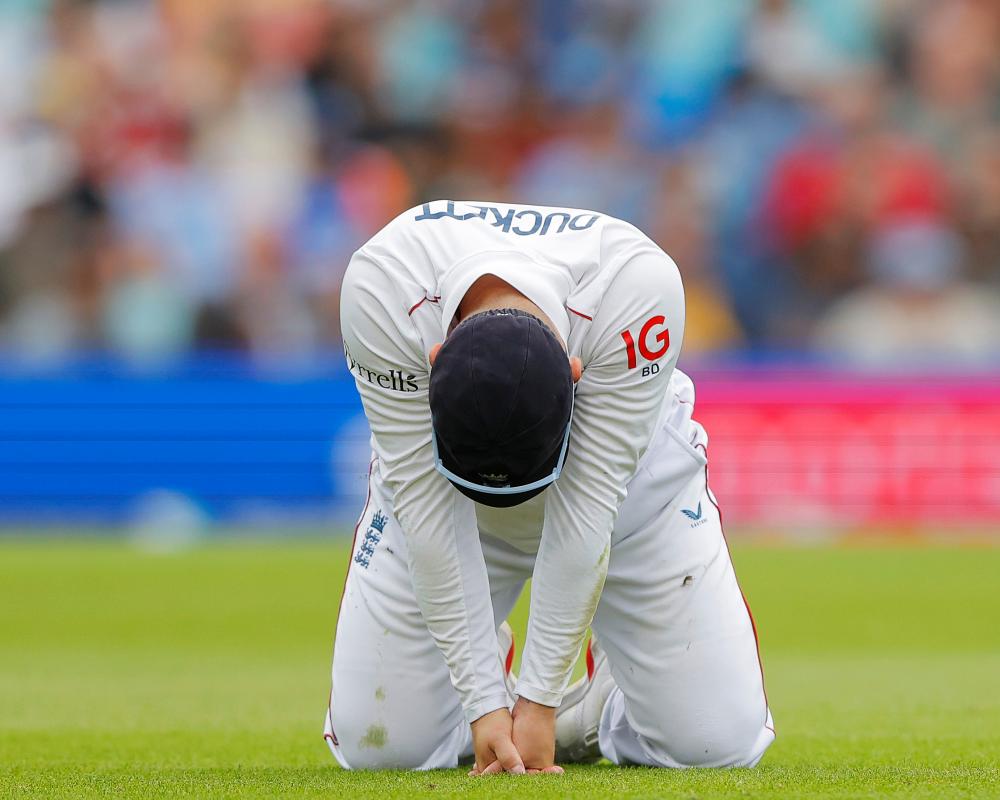
Fielding is an attitude, and it's one that can define a team's performance. In cricket, the way a team fields often speaks volumes about their mindset, energy, and overall approach to the game. This was particularly evident during the fifth Test at the Oval, where England's fielding left much to be desired. The dropped catches, the lack of intensity, and the general sense of fatigue all contributed to a performance that fell short of expectations.
England's fielding on day three of the Test was under scrutiny, especially after they allowed India to build a commanding lead of 373 runs. The question that arose was: what kind of attitude did England project? Was it one of determination, or were they simply jaded and disengaged?
The number of dropped catches—six in total—was alarming. It marked the most by any England team in almost two decades. This raised concerns about the team's focus and coordination. The drops ranged from medium to severe, with some being particularly costly. For instance, Yashasvi Jaiswal was dropped twice, once by Harry Brook and another time by Liam Dawson. These errors not only cost England runs but also gave India the momentum they needed to push their score higher.
A Monotonous Bowling Attack
In addition to the fielding issues, England's bowling attack was criticized for its lack of variety. Ollie Pope, without the presence of Chris Woakes, relied heavily on his three tall right-arm quicks, which led to a monotonous and predictable performance. This lack of innovation created a sense of ennui, making the game feel sluggish and unexciting.
The term "Overton" was used to describe the state of lethargy experienced by the crowd and players alike. It referred to a feeling of glazed melancholy brought on by watching slow, lumbering deliveries from bowlers who seemed more focused on their under-vests than on the game itself. By 2pm, the entire Oval crowd was languishing in this state, highlighting the need for a more dynamic approach.
Key Moments and Missed Opportunities
Several key moments stood out during the innings. Yashasvi Jaiswal, who played a crucial role in India's score, had several chances to be dismissed but managed to evade them. His century was built on a combination of powerful shots and strategic play, showcasing his strength and confidence. Shubman Gill also had a brief moment of brilliance before being dismissed, a decision that sparked debate among fans and analysts alike.
Washington Sundar's performance was a highlight of the day, as he scored a quickfire 50 off just 39 balls. His ability to take the pressure off the fielders by hitting the ball into the crowd was a stark contrast to England's struggles. The question remains: why did these mistakes happen? While the "bad seeing ground" was cited as a possible reason, it wasn't notably an issue during the match.
The Impact of Fatigue and Schedule Pressures
Another factor that cannot be ignored is the physical and mental toll of the modern cricket schedule. Players are often subjected to intense bursts of activity between periods of rest, leading to fatigue and a lack of focus. This has become a growing concern, as it affects not only their performance on the field but also their overall well-being.
Ben Stokes' absence was also felt, as his presence at cover provided a sense of stability and leadership. Without him, the team seemed less cohesive, with moments of sloppiness and miscommunication. Jamie Smith's efforts behind the stumps were commendable, but even he struggled with the pressure of the situation.
Conclusion: A Gruelling Series with Room for Improvement
Despite the challenges, England managed to secure the final wicket in a remarkable display of teamwork. Pope and Crawley worked together to take the catch, showcasing their determination and resilience. With two days left and a target of 324 runs, the task ahead is daunting, but not impossible.
The series has been a test of endurance, both physically and mentally. The extra 127 runs conceded due to dropped catches have added to the difficulty, but it's clear that the team is still fighting to make a difference. As the series comes to a close, there is hope that lessons will be learned, and improvements will be made for future matches.
Post a Comment for "England struggle without Stokes' leadership on the field"